

If you are looking for a tortoise offer for sale, choosing a healthy and balanced, morally reproduced tortoise is one of the most vital step. Tortoises are long-lived reptiles that need specific treatment, correct environment configuration, and an educated proprietor. When sourced properly, they become unbelievable long-lasting friends.
As specialist breeders and reptile experts, we focus on captive-bred tortoises increased under managed, optimal conditions. Every turtle is started on a nutrient-balanced diet plan, UVB direct exposure, and correct humidity degrees to ensure strong shell development and immune health.
Whether you're interested in a beginner-friendly Sulcata or an uncommon types like an angonoka turtle for sale, this guide will certainly assist you make a confident, informed choice.
Why Buy a Captive-Bred Tortoise?
Captive-bred turtles are healthier, more versatile, and ethically sourced contrasted to wild-caught imports.
Key Benefits:
✅ Stronger immune systems
✅ Well-established feeding routines
✅ Known hatch dates
✅ Legal documents when needed
✅ Reduced bloodsucker lots
Wild-caught turtles frequently endure from stress, dehydration, and interior bloodsuckers. A reputable dog breeder makes certain appropriate incubation temperatures (generally 82-- 90 ° F relying on species), regulated humidity, and appropriate calcium supplementation from day one.
Popular Species of Tortoise up for sale
Selecting the best varieties depends upon room, environment, and experience level.
Sulcata (African Spurred Tortoise).
Adult size: 70-- 100+ pounds.
Life-span: 50-- 70 years.
Suitable for: Large exterior rooms.
The cream color sulcata turtle for sale is a lighter-colored variant of the typical Sulcata. These mild titans need significant space and dedication.
Aldabra Giant Tortoise.
Searching for an aldabra turtle offer for sale indicates planning for among the largest turtle types worldwide.
Adult size: 400-- 550 lbs.
Life-span: 100+ years.
Calls for: Extensive land, permits, advanced care.
Aldabras are calm and smart but matched only for severe keepers or zoological facilities.
Radiated Tortoise.
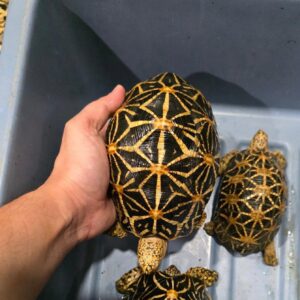
The emitted tortoise for sale is known for its stunning star-pattern covering.
Grown-up size: 10-- 16 inches.
Lifespan: 40-- 60 years.
Preservation status: Critically threatened.
Only acquisition from dog breeders with legal captive-bred paperwork.
Angonoka Tortoise.
An angonoka turtle up for sale is incredibly unusual and very regulated.
Belonging to Madagascar.
Amongst the rarest turtles in the world.
Rigorous legal restrictions.
Always validate compliance with wild animals regulations before making inquiries.
True Albino & Specialty Morphs.
A real albino tortoise to buy is valued for its pale coloration and red or pink eyes. These turtles require:.
Reduced light strength.
Extra UVB surveillance.
Mindful temperature law.
Albinos are a lot more sensitive, so they are advised for skilled keepers.
Just how to Choose the Right Tortoise.
Before acquiring a tortoise available for sale, assess:.
1. Area Requirements.
Interior hatchling unit: 40+ gallon equivalent.
Outdoor adult enclosure: Species-dependent (Sulcatas need large lawns).
2. Environment Compatibility.
Exotic species need 70-- 85% humidity.
Desert varieties call for completely dry substrate and basking areas.
3. Long-Term Commitment.
Numerous tortoises live 50-- 100+ years. Think about succession planning.
Pros and Cons of Owning a Tortoise.
✅ Pros.
Lengthy lifespan.
Peaceful and low smell.
Fascinating behaviors.
Herbivorous diet plan (no pests called for).
❌ Cons.
Lasting commitment.
Large room requirements.
Specialized UVB illumination.
Veterinary care might call for reptile professionals.
Appropriate Habitat Setup (Step-by-Step Guide).
Establishing appropriately from the first day protects against covering deformities and metabolic bone disease.
Step 1: Enclosure.
Use a turtle table or outside pen.
Avoid glass tanks for larger varieties.
Step 2: Substrate.
Coconut coir.
Cypress mulch.
Stay clear of sand for the majority of types.
Step 3: Heating & Lighting.
UVB light bulb (10.0 for desert species).
Basking temp: 95-- 105 ° F.
Ambient temp: 75-- 85 ° F.
Step 4: Nutrition.
Feed a high-fiber, calcium-rich diet:.
Dandelion environment-friendlies.
Collard eco-friendlies.
Hibiscus leaves.
Yards (for Sulcatas).
Prevent high-protein foods and fruit (other than uncommon treats for tropical varieties).
Professional Insight: Shell Health Matters Most.
In my specialist experience breeding tortoises, 90% of health concerns stem from inappropriate humidity and UVB direct exposure during the very first year. Pyramiding (irregular covering growth) is preventable with:.
Consistent humidity control.
Daily soaking for hatchlings.
Proper calcium supplements.
Balanced diet plan.
When assessing a tortoise for sale, always ask:.
What moisture were hatchlings elevated at?
What UVB brand name was made use of?
What is the present feeding routine?
Clear responses signify a liable breeder.
Shipping & Safety Standards.
A respectable seller will certainly:.
Ship overnight just.
Usage protected containers.
Include heat or ice bags when required.
Prevent severe climate shipping.
Live arrival guarantees must be clearly specified.
Lawful Considerations.
Some species such as:.
Angonoka.
Radiated.
Aldabra.
may require permits depending on your state or nation. Constantly validate regional wild animals policies prior to buying.
Who Should Buy a Tortoise?
A turtle is suitable for:.
Home owners with yard space.
Long-lasting pet dog organizers.
Reptile enthusiasts.
Households committed to decades of treatment.
Not optimal for:.
Regular movers.
House dwellers (big varieties).
Impulse purchasers.
Caring for Hatchlings vs Adults.
Hatchlings.
Higher moisture.
Daily soaks.
Close monitoring.
Grownups.
Outside grazing space.
Strong fencing (Sulcatas dig!).
Seasonal sanctuary.
Frequently Asked Questions (FAQ Schema Ready).
Q1: How long do turtles live?
The majority of turtles live 40-- 100+ years depending upon varieties. Aldabras can exceed 100 years.
Q2: What do tortoises eat?
Largely high-fiber leafy eco-friendlies and yards. Avoid high-protein foods.
Q3: Do tortoises require UVB lighting?
Yes. UVB is vital for calcium metabolic rate and covering growth.
Q4: Is it lawful to acquire unusual turtles?
Some varieties call for permits. Constantly verify neighborhood and government guidelines.
Q5: How big do Sulcata tortoises get?
Sulcatas can go beyond 100 pounds and require huge outdoor rooms.
Final Thoughts on Finding the Right Tortoise offer for sale.
Choosing the ideal turtle available for sale has to do with greater than rate it's regarding health, honest breeding, correct treatment, and long-lasting obligation. With the proper setup, diet, and dedication, a tortoise can become a long-lasting buddy extending generations.
Take your time, confirm breeder transparency, and prepare the environment prior to your turtle gets here. A well-started turtle will certainly award you with years of steady development, remarkable behavior, and unparalleled long life.